In order to fully grasp the fundamental quantum nature of the universe, let us begin its construction from elementary ingredients by placing particles into the vacuum one at a time.
We will build this picture step by step.
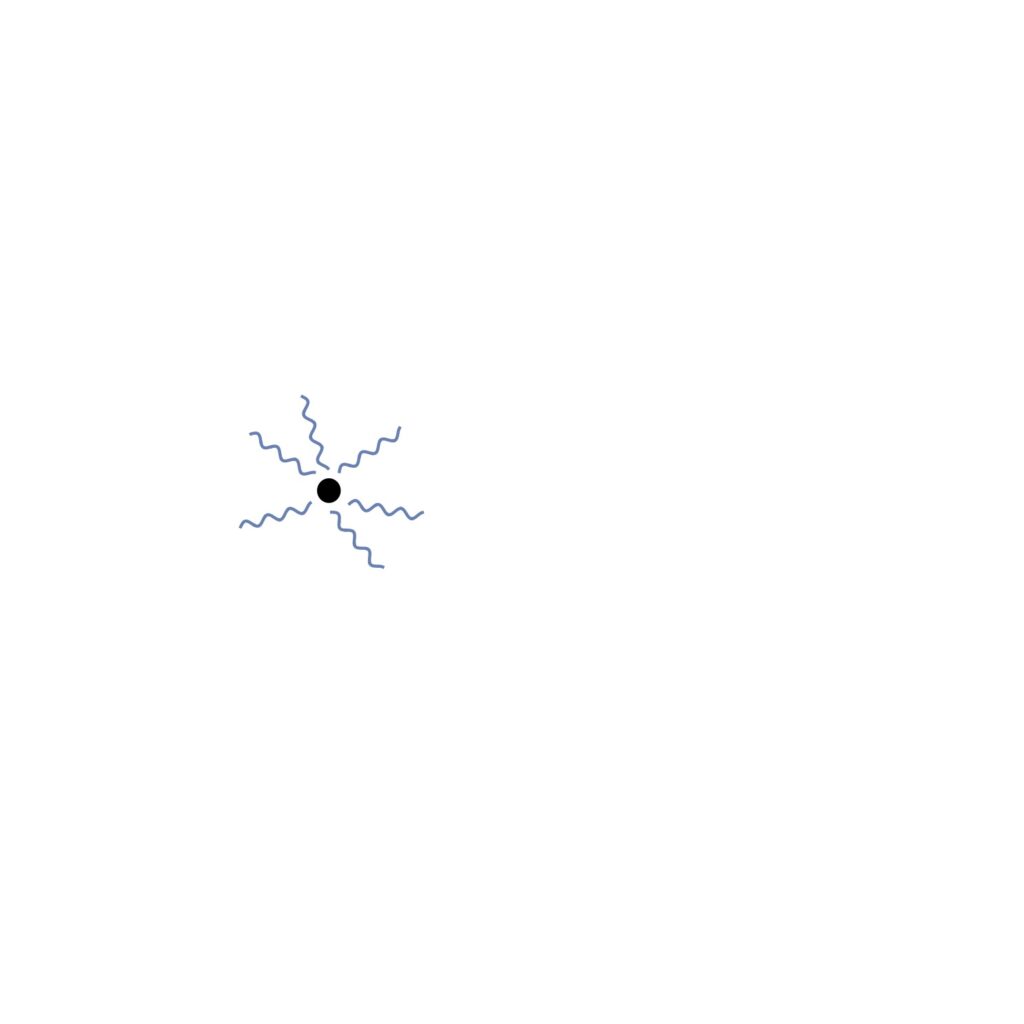
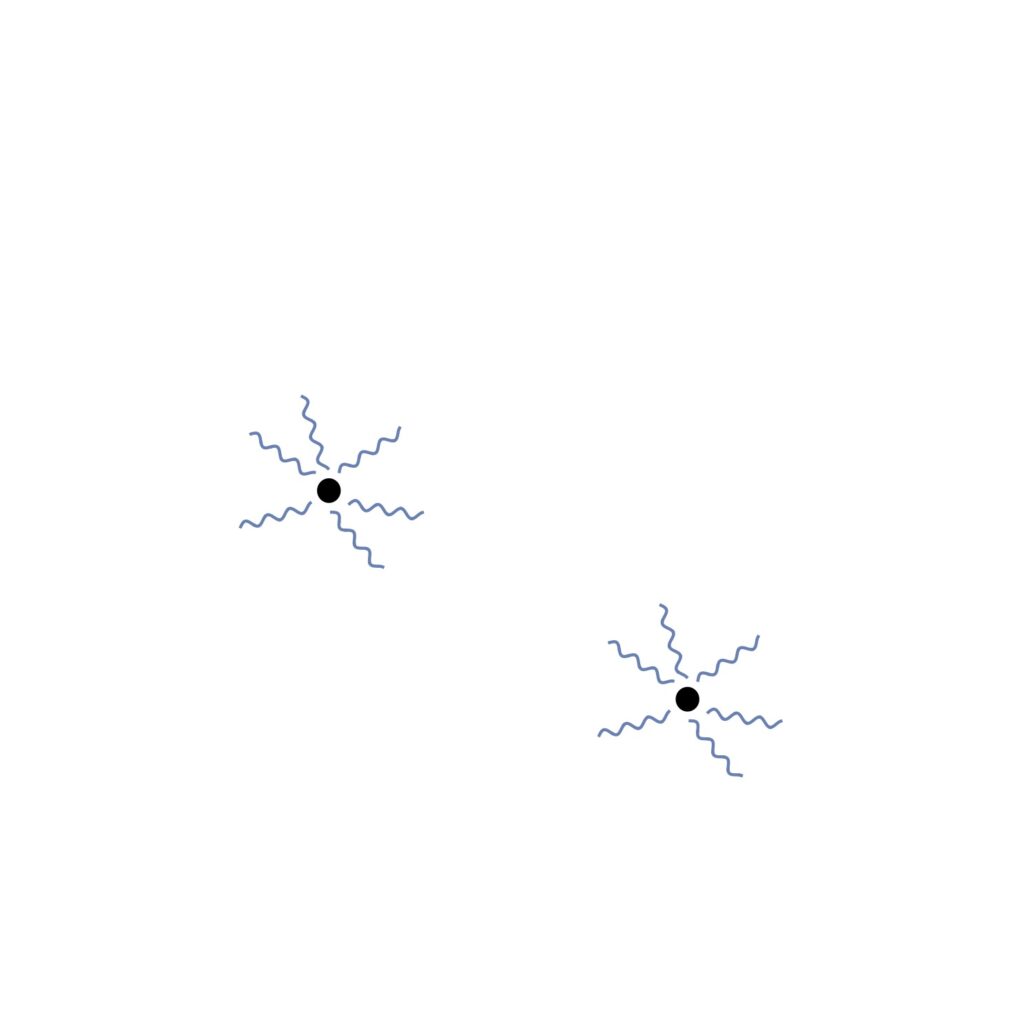
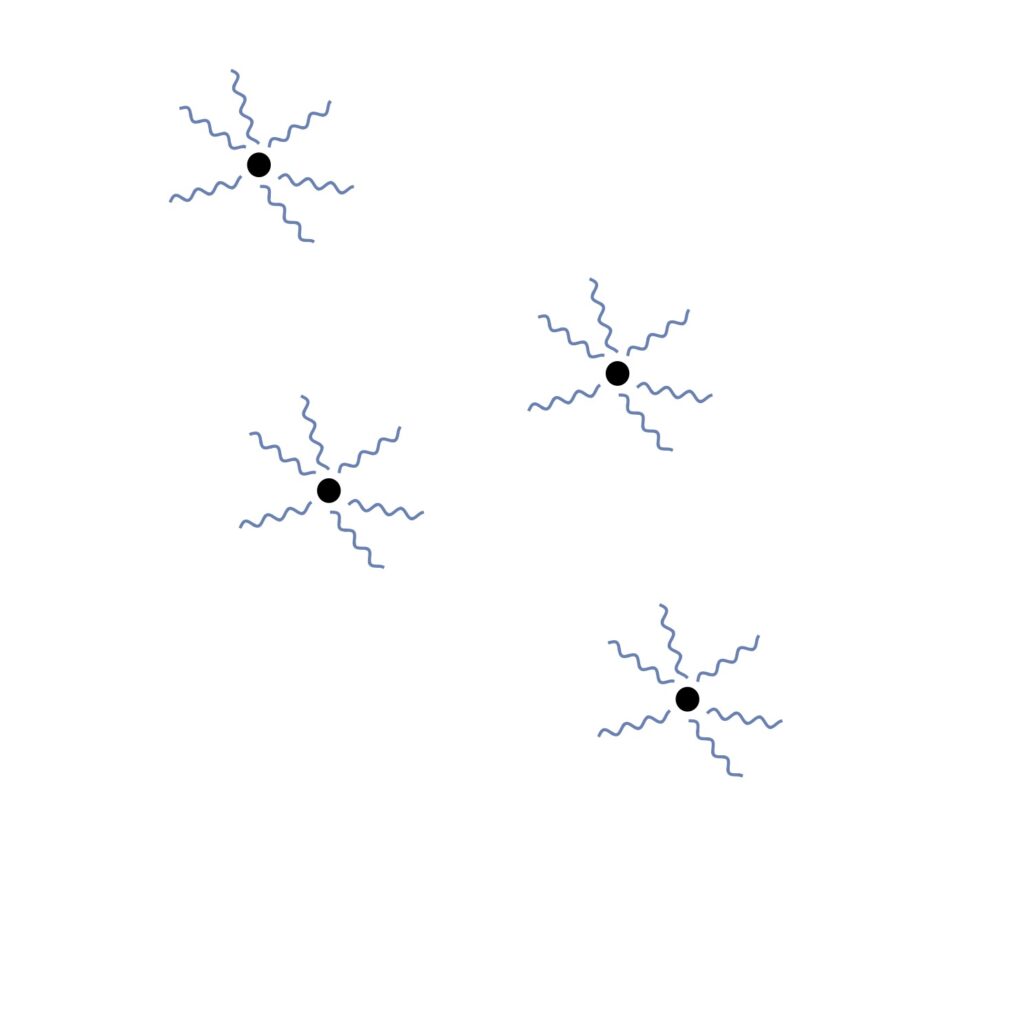
Initially, we have a single particle in the vacuum. This particle comes with its gravitational field, as any form of energy gravitates. As a next step, we can add another particle. This results in a universe with just two particles in the vast emptiness of the vacuum.
These two particles attract each other gravitationally. If they are at rest, they will simply collide, with the outcome determined by the type of particles involved. If we give them an initial kick, more diverse outcomes become possible, including the possibility that they move away from each other indefinitely, provided the kick is strong enough to overcome their mutual attraction.
We can continue this construction by adding more particles. Each addition brings its own gravitational field — its capacity to interact with all other forms of energy.
As the number of particles grows, it becomes natural to describe the system in terms of a smooth spacetime geometry. This geometry is nothing but the collective effect of the gravitational fields of individual particles.
In this way, a homogeneous expanding universe can be formed by distributing particles approximately uniformly in space and assigning them initial motions consistent with the Hubble law. Provided the region is large enough compared to the relevant curvature radius, this construction gives rise to a locally homogeneous expansion.
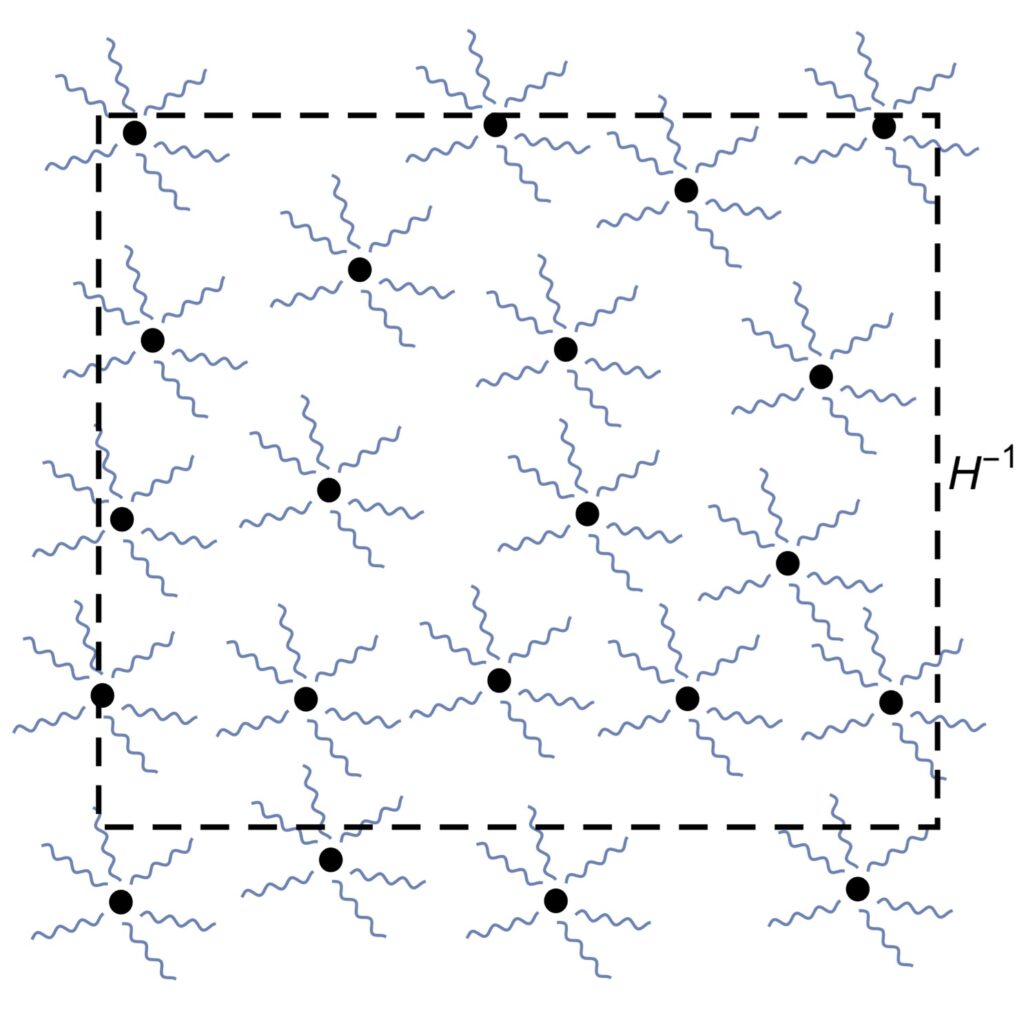
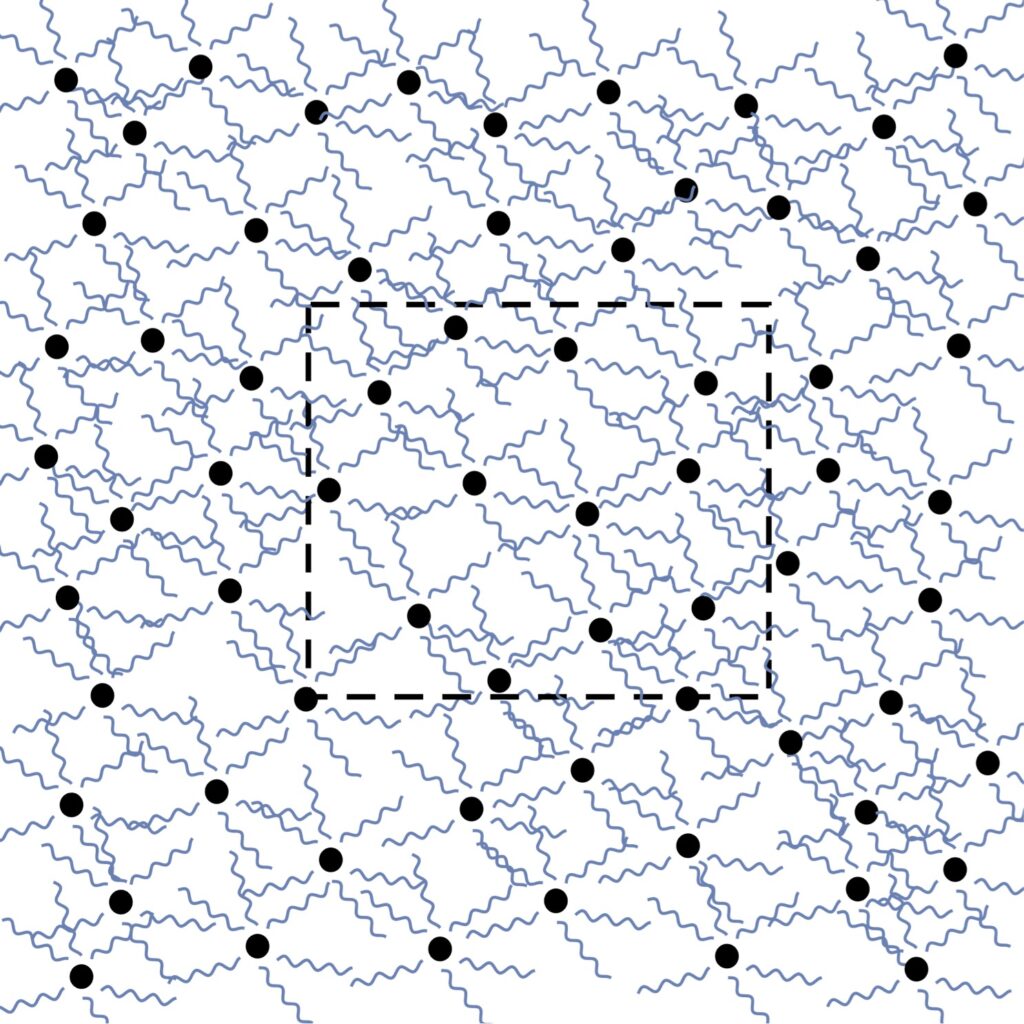
For completeness, the curvature radius is set by the expansion rate , which in turn is determined by the energy density. Increasing the density increases and reduces the curvature radius, requiring homogeneity to hold on correspondingly smaller scales.
This is how a homogeneous universe can be built, brick by brick.
In practice, however, perfect homogeneity is neither natural nor desirable. Small inhomogeneities inevitably arise, and it is precisely these tiny deviations that serve as the seeds for the formation of structure, eventually giving rise to the rich and diverse universe we observe.
Upcoming: Structure formation